M., Das, A
Imatinib targets the ATP-binding site of the BcrAbl tyrosine kinase and also inhibits the actions of other tyrosine kinases, including platelet-derived growth factor receptor-b, C-kit, and C-ABL [17]
His work focuses on how microbial ecosystems interact with human physiology, including: Gut barrier function and intestinal permeability Mucus-associated microbiota (Akkermansia-related systems) Oralgut microbiome axis Short-chain fatty acids (SCFAs) and metabolic signaling Circadian rhythmmicrobiome interactions Clinical Research Contributions He has contributed to multiple clinical-stage microbiome programs, supporting bacterial strain discovery, optimization, and formulation design across different therapeutic areas, including: Active Ulcerative Colitis (Inflammatory Bowel Disease) Hyperoxaluria (Oxalate Metabolism Disorder) Microbiome-driven gut health and inflammatory conditions These studies were part of broader clinical development programs evaluating microbiome-based approaches
The carefully calibrated dosing ratios (5/5/10/5mg) reflect years of clinical experience and research into optimal peptide combinations
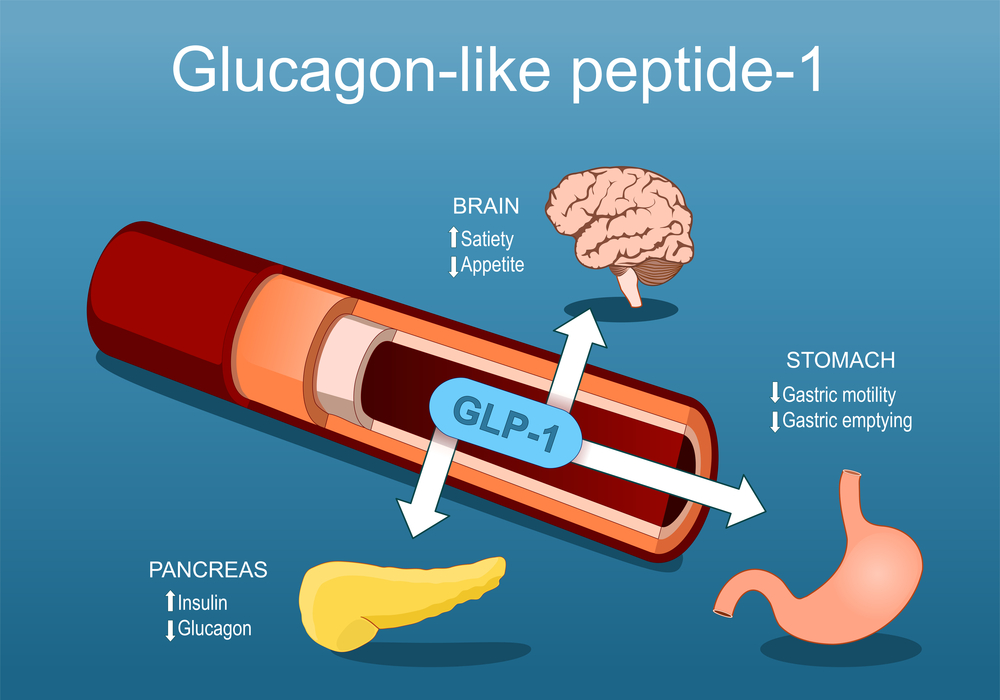
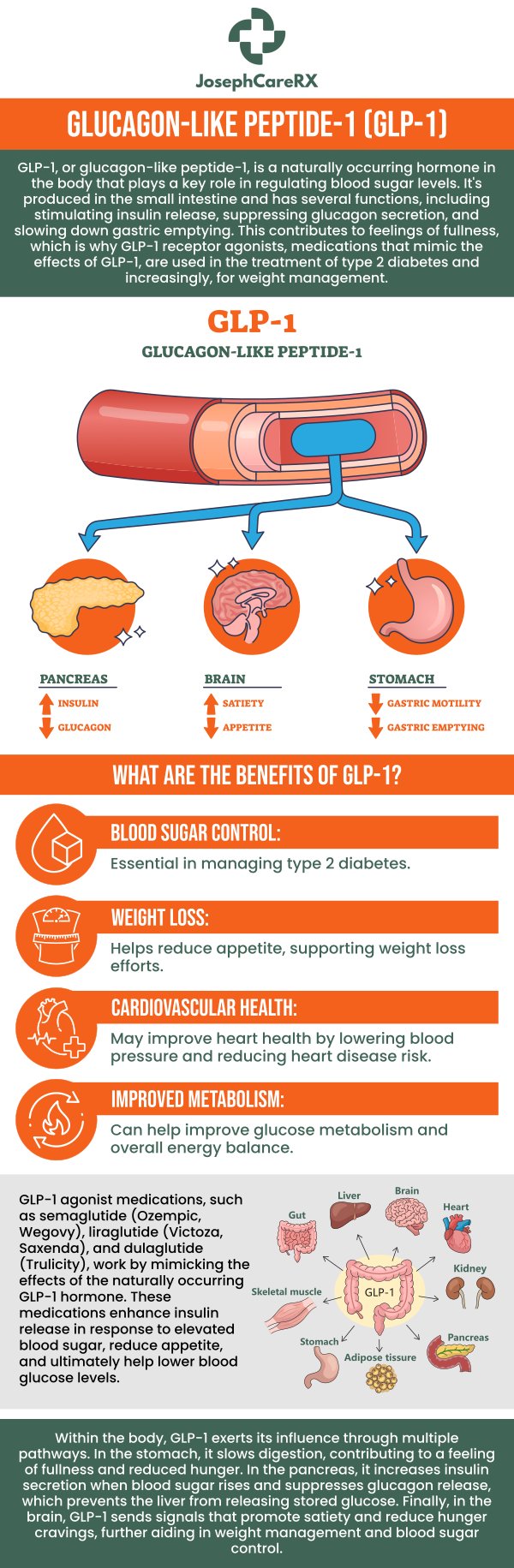
Receptors: Established Cell and Whole and Tissue Expression Glucagonlike Peptide1 (GLP- 1) and Receptors After consuming a meal, the L cells of the intestine produce and release the 30 amino acid peptide GLP- 1, which in turn promotes insulin secretion [6]