When Joe retested, Akkermansia moved into a normal range at 0.103%
Other adverse reactions reported in this study and considered clinically relevant were: swelling, irritation, redness Eye disorders: dysphagia, abdominal discomfort, vomiting, diarrhea, dyspepsia, hematochezia Gastrointestinal disorders: peripheral edema, chest discomfort General disorders and administration site conditions: allergic reaction Immune system disorders: memory impairment, dizziness Nervous system disorders: restlessness Psychiatric disorders: dyspnea, throat tightness, dry throat Respiratory, thoracic and mediastinal disorders: urticaria, pruritus Skin and subcutaneous tissue disorders: hot flush Vascular disorders: Experience In Known Or Suspected Cyanide Poisoning Victims Four open-label, uncontrolled, clinical studies (one of which was prospective and three of which were retrospective) were conducted in known or suspected cyanide-poisoning victims
They influence multiple biological processes such as hormone release, tissue repair, and inflammation reduction
Buy AOD-9604 in Canada
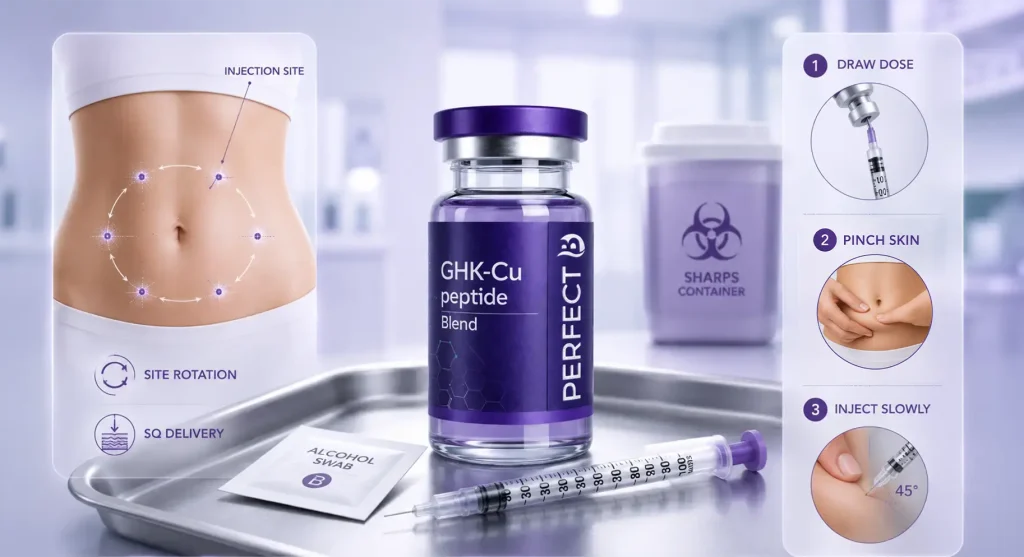
Peptide Dosage Math How the Calculation Works The underlying formula this calculator uses is: Draw Volume (mL) = (Desired Dose in mcg Total Peptide in mcg) Total BAC Water Volume (mL) Then:Units on U-100 syringe = Draw Volume (mL) 100 Example Calculation Vial:5mg (= 5,000mcg) BAC water:2mL Desired dose:250mcg Draw volume:(250 5,000) 2 = 0.1mL = 10 units This is the same calculation the peptide dosage calculator performs automatically eliminating human error from every research session