Reading Time: 5 minutes | Weve accepted that avoidance and prevention are critical for not getting infected, but if you get COVID-19 and coronaviruses swarm your cells, are there ways to bend the curve
Elbatreek MH, Pachado MP, Cuadrado A, Jandeleit-Dahm K, Schmidt H
Unlike traditional HRT, which often takes a one-size-fits-all approach, peptide therapy can be tailored specifically to your bodys needs
When differentiating endogenous from exogenous hypoglycemia, insulin and C-peptide levels are useful (Table 2)
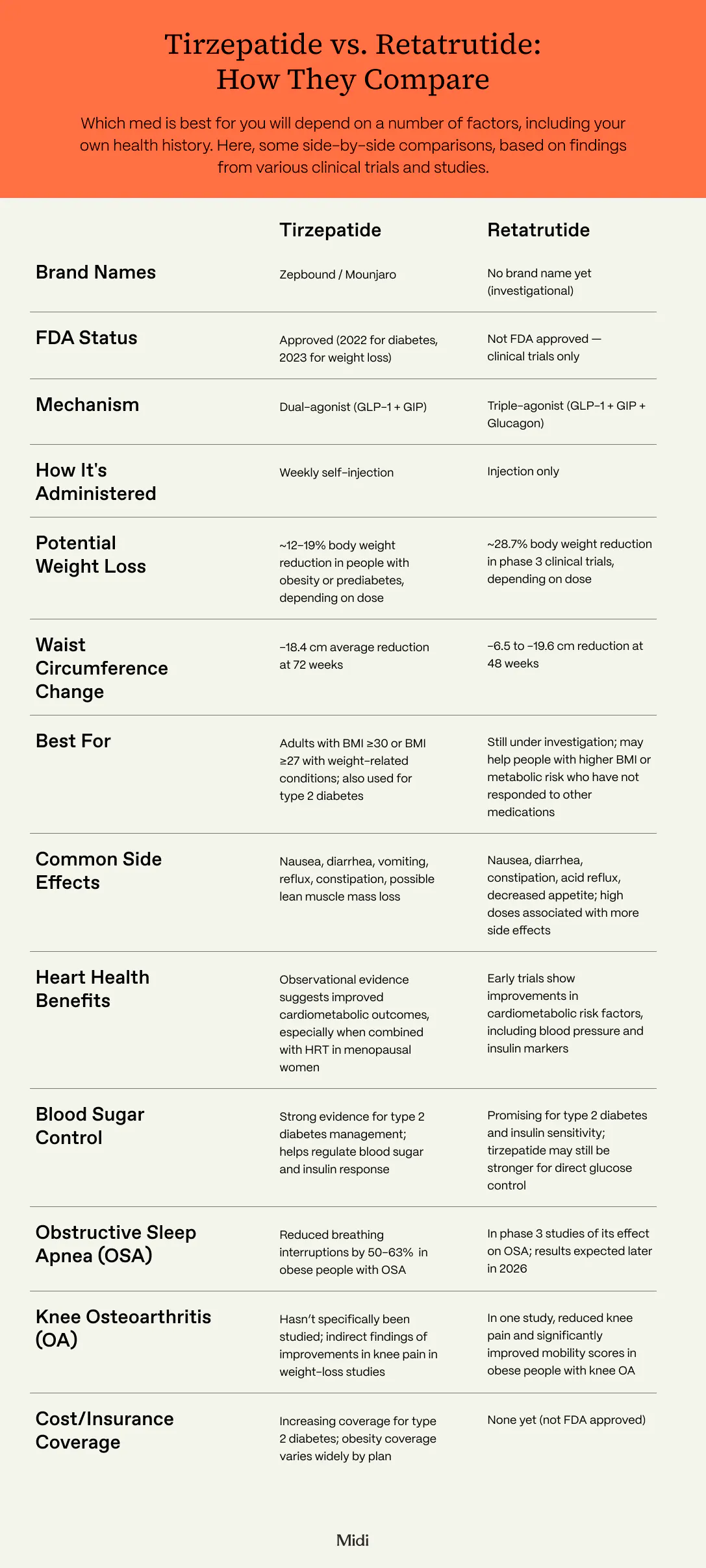
Key Takeaways: Tirzepatide Side Effects Most common side effects are gastrointestinal: nausea (40% to 45%), diarrhea (30% to 35%), constipation (20% to 25%) Side effects typically peak within days of dose increases, then improve over 2 to 3 weeks Tirzepatide causes slightly more GI side effects than semaglutide due to dual GLP-1/GIP action Starting at 2.5 mg and increasing gradually every 4 weeks minimizes side effect intensity Most effects are manageable with dietary adjustments, hydration, and timing strategies Serious side effects are rare but include pancreatitis, gallbladder issues, kidney problems Many people experience minimal side effects after the initial adjustment period Side effects improve significantly with each subsequent injection at the same dose Most Common Side Effects and Their Frequency Understanding what youre likely to encounter helps set realistic expectations and recognize that your experience is normal