In order to test this concept, male and female C57BL/6 mice, 20 months of age, were given intranasal GHK-Cu, 15 mg/kg daily, for two months
Its non-hormonal mechanism of action, low risk of side effects, and broad range of healing applications make it a go-to for athletes, lifters, and individuals recovering from wear and tear
Rather than promoting growth directly, it aims to clear dysfunctional cellular components that impede normal tissue renewal processes
Drug concentrations are affected by the abnormal and immature tumor vasculature system, as well as by the activation of drug efflux transporters under the hypoxic tumor environment 52

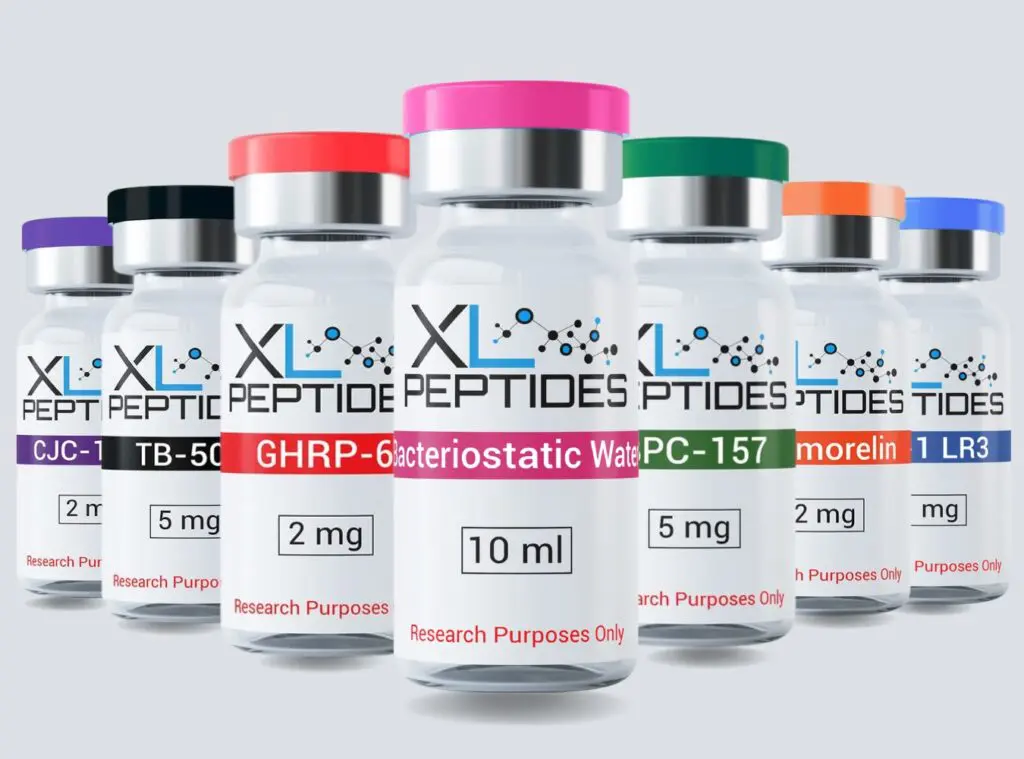
Lyophilized powder (before reconstitution): Safe to freeze: Yes Extends shelf life: Yes, up to 36 months Must be in moisture-proof container Thaw completely before opening (prevents condensation) Reconstituted injectable solution: Safe to freeze: No, don't freeze Why avoid: Ice crystals can damage peptide structure Exception: Some users freeze individual doses in insulin syringes (controversial, potency may decrease) Topical serums: Safe to freeze: Generally no Why avoid: Emulsions can separate, preservatives may not protect when frozen, texture changes upon thawing Some simple water-based solutions may tolerate freezing If you must freeze reconstituted peptides: Use small single-dose aliquots Thaw slowly in refrigerator (not at room temp or microwave) Use immediately after thawing Never refreeze Accept some potency loss Storage by copper peptide product type Different copper peptide products have different optimal storage