Frequently Asked Questions What peptides are most studied in arthritis-relevant research
Your research parameters are set, your objectives are clear, and youve sourced a high-purity, lyophilized peptide for your study
Testing was conducted by Swift Laboratory, an ISO 17025:2017-accredited third-party testing facility (ANAB Certificate No
Mechanism of Action BPC-157 works through several pathways: Enhanced angiogenesis (new blood vessel formation) Increased collagen synthesis and organization Growth factor modulation (VEGF, PDGF, FGF) Anti-inflammatory effects Neuroprotective properties Comparison with Other Healing Peptides BPC-157 vs TB-500 While TB-500 focuses primarily on muscle and soft tissue healing, BPC-157 offers broader healing applications including gastrointestinal, neural, and vascular benefits
How AHK-Cu Works for Hair Increases hair follicle size, promoting thicker individual hair strands Extends the anagen phase, keeping hair in the active growth stage longer Stimulates dermal papilla cells, which play a critical role in hair follicle development and cycling Enhances the production of extracellular matrix proteins around the follicle What the Research Says Research has shown that AHK-Cu can increase hair follicle size by up to 44% even outperforming GHK-Cu in some in vitro studies





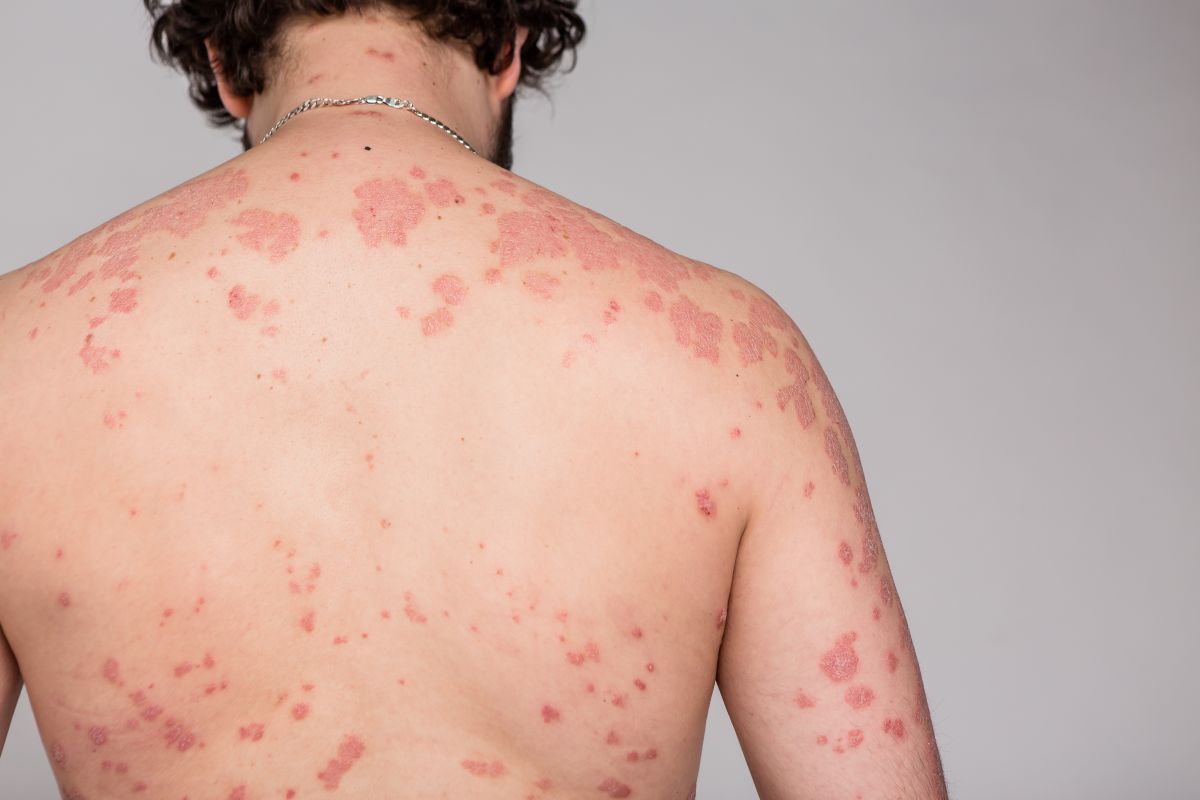
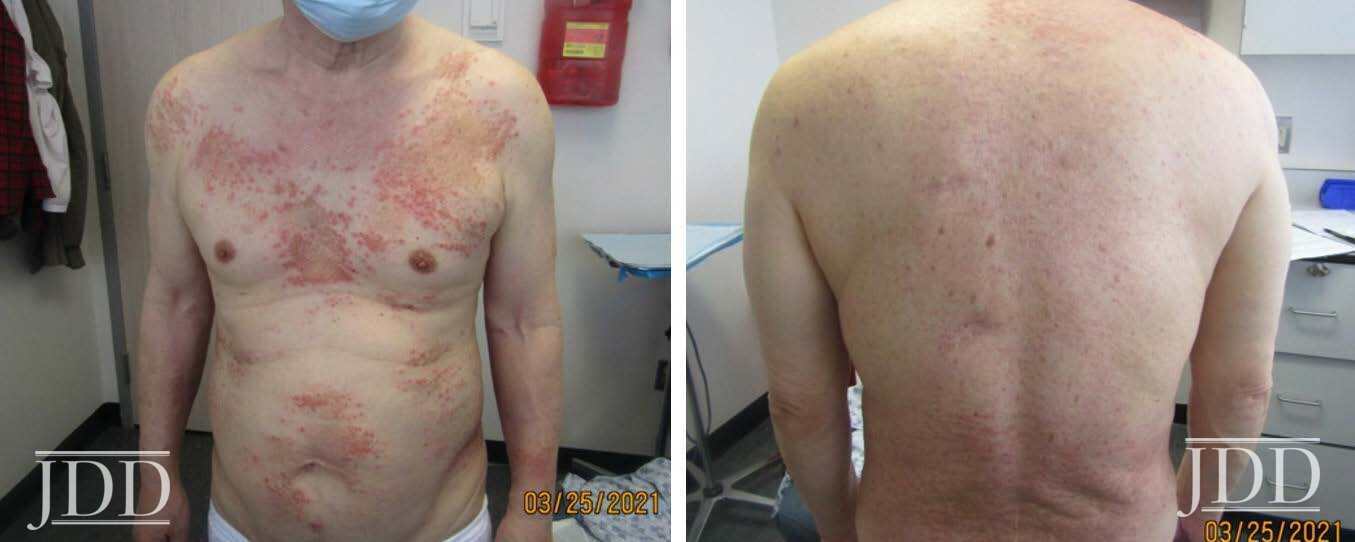
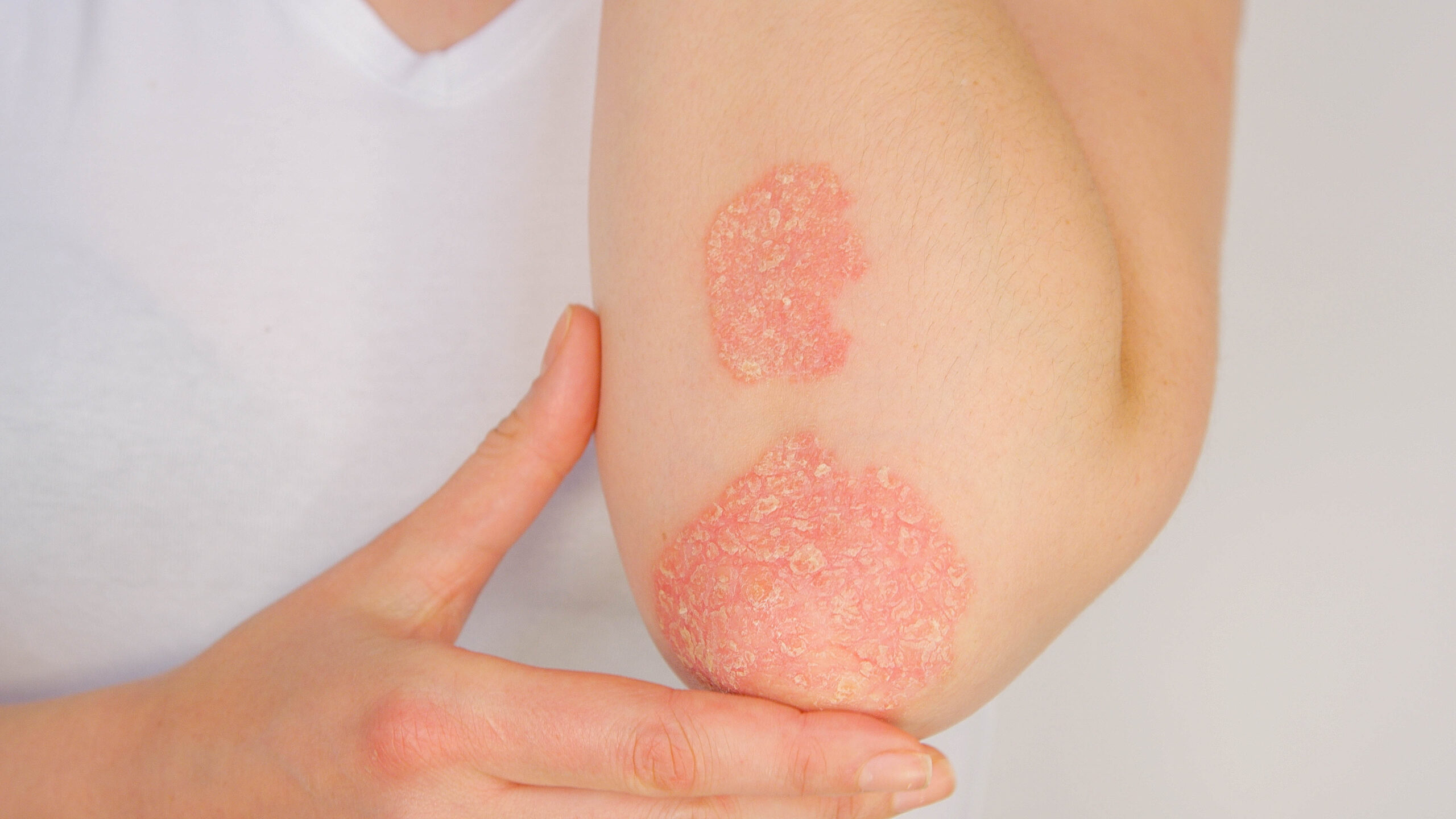

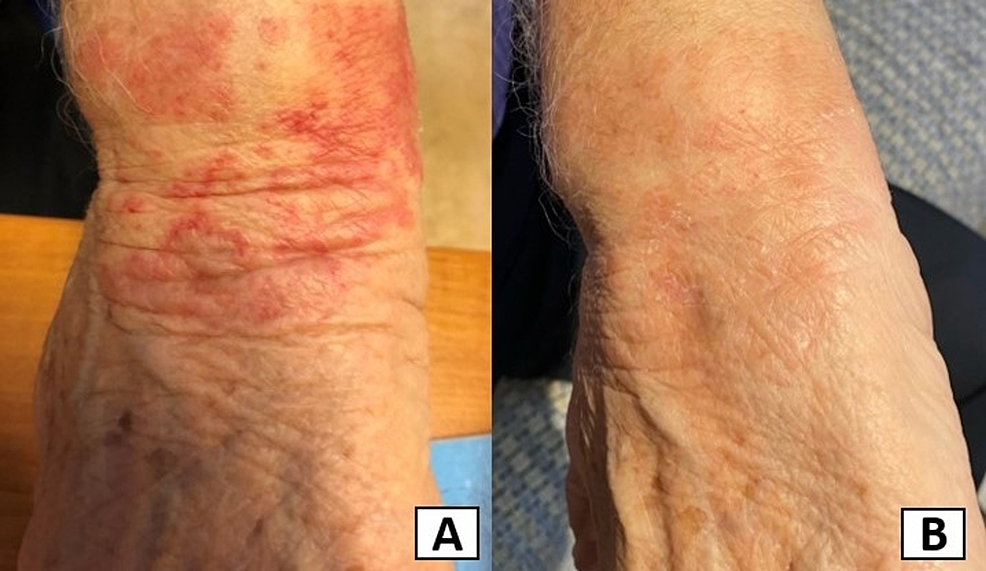


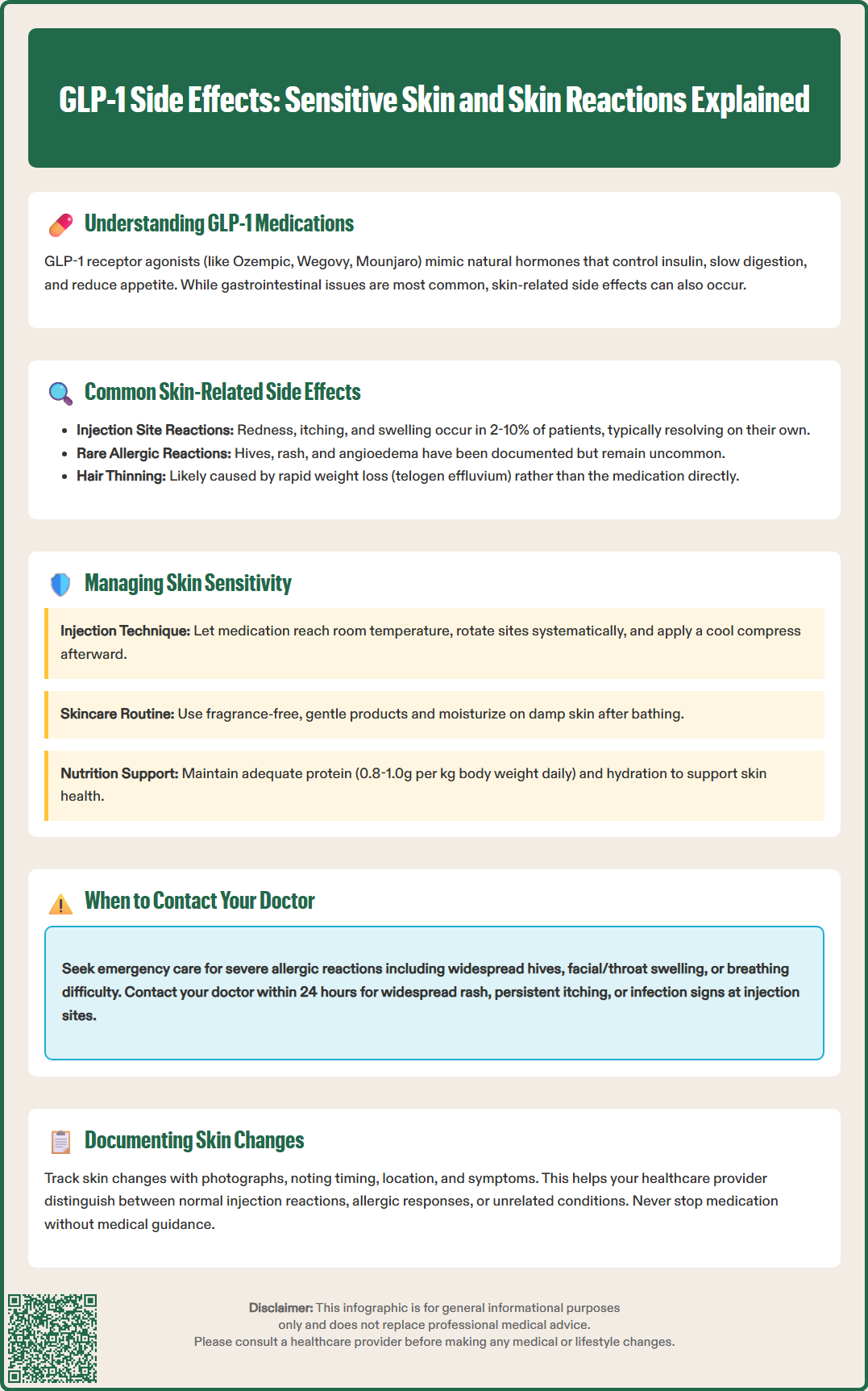
![GLP-1 RAs and Skin Health: Exploring Dermatologic Side Effects and Therapeutic Interventions[v1]](https://www.preprints.org/frontend/picture/ms_xml/manuscript/b0714be486d8e9fe95dfcbc85df1634c/preprints-164552-g001.png)